HEROES' GATE

Overview
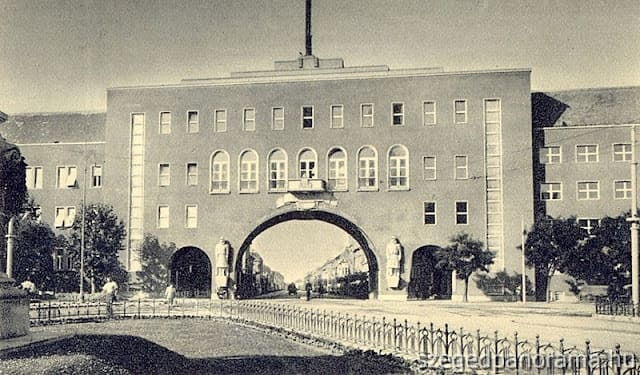
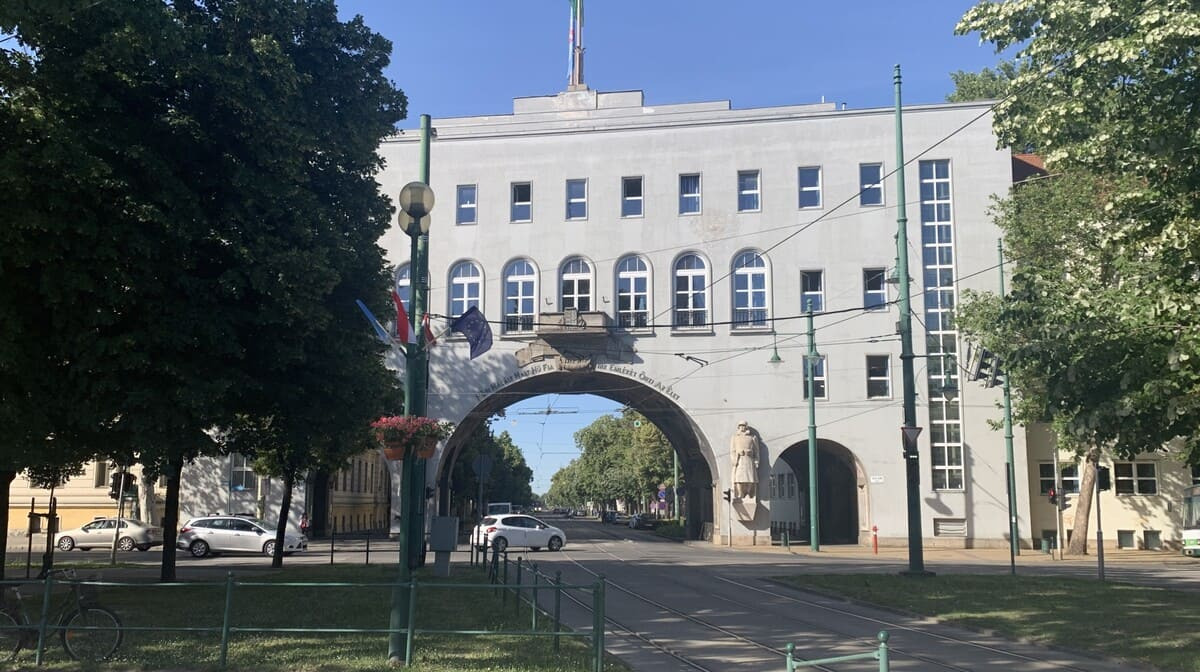
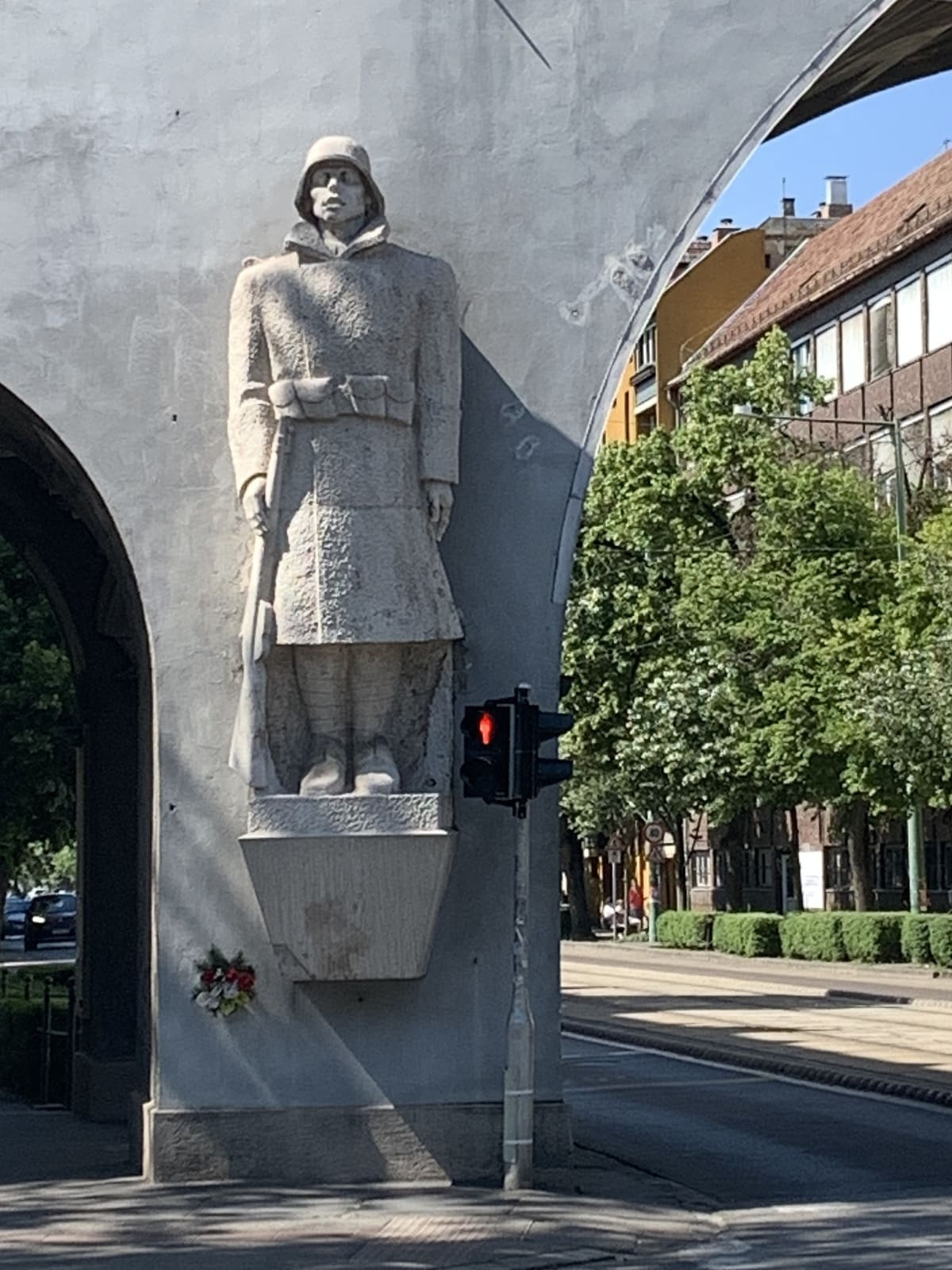
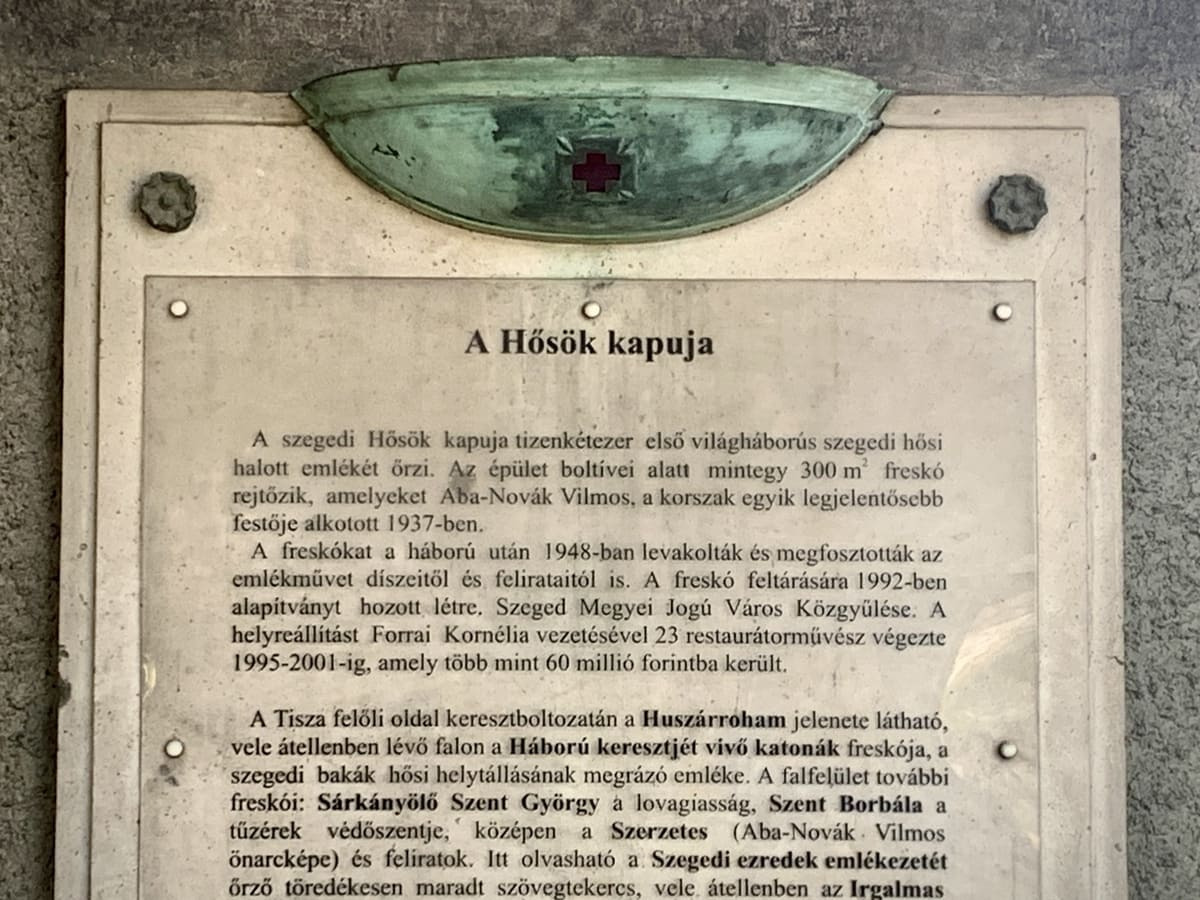
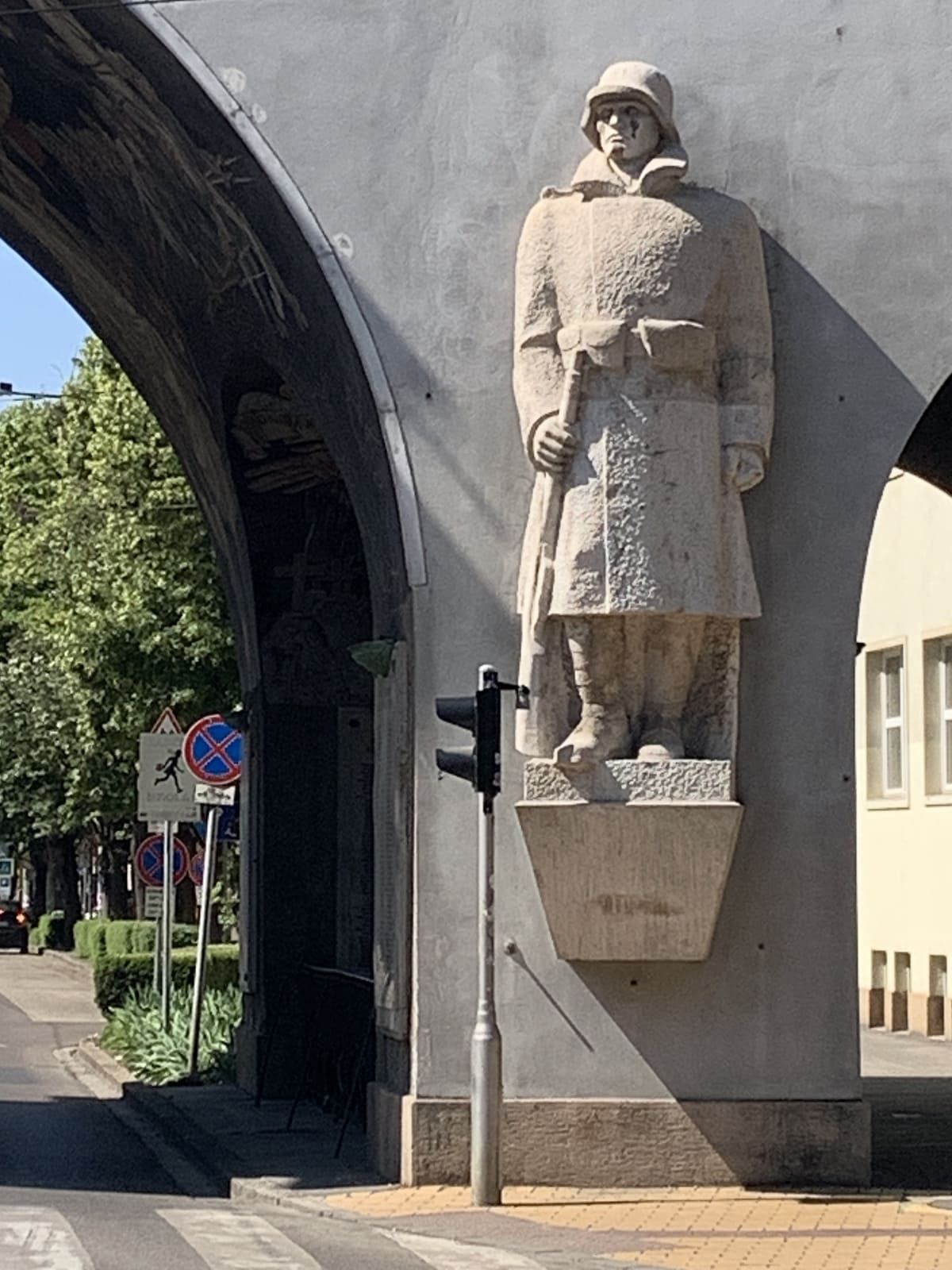
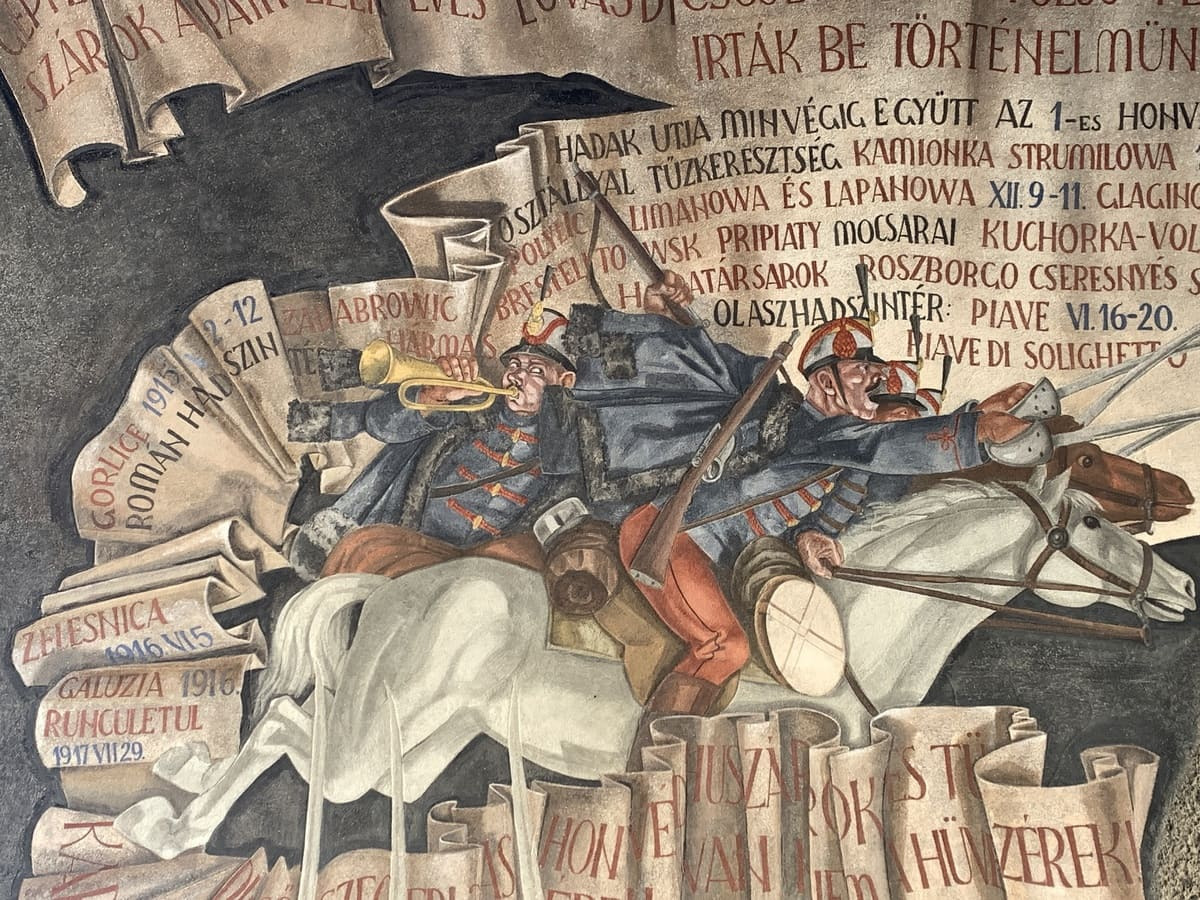
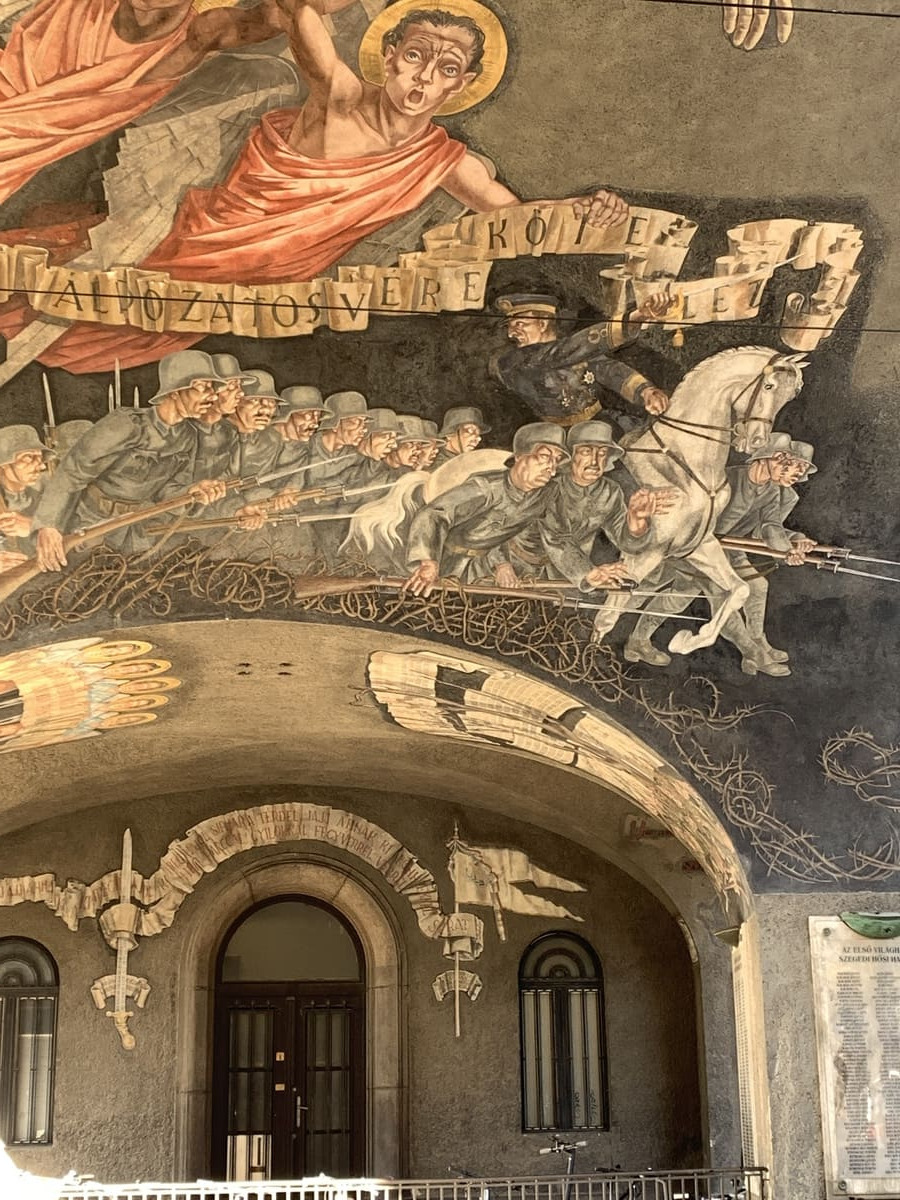
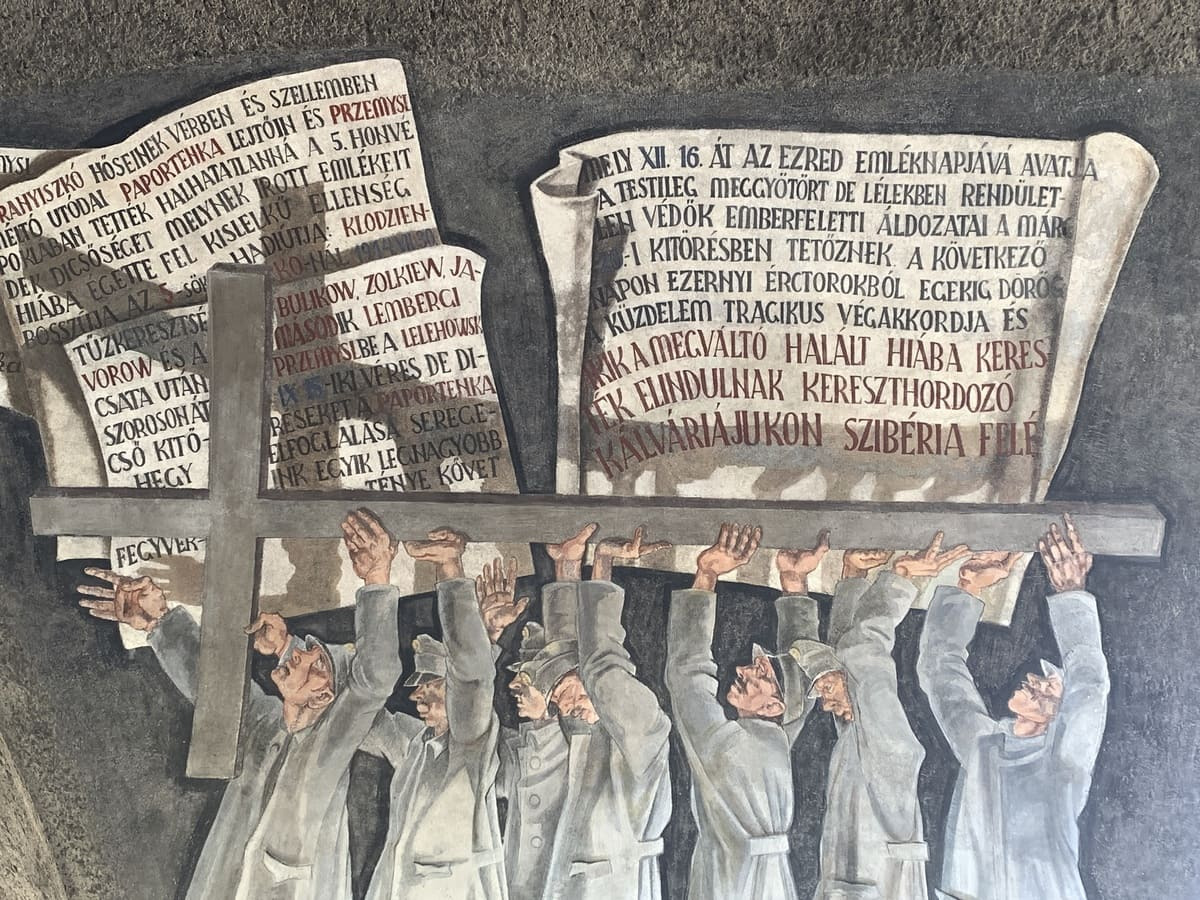
Heroes' Gate of Szeged stands on the Aradi Vértanúk Square, stretching over Boldogasszony Boulevard. It commemorates the victims of the First World War in Szeged, by the idea of the Minister of Religion and Public Education, Kunó Klebelsberg. The three-arched, monumental gate was completed in 1937, with the inscription ’Porta Heroum’ in the middle. Its inner arches are decorated with frescoes by Vilmos Aba-Novák, which evoke the pain and heroism of the war. For a long time, the monument kept the memory of the fallen anonymously, as their names were not inscribed on it. This lack was only filled with commemorative plaques in 2004, thus the gate became a complete symbol of the city's memory.
Detailed Description
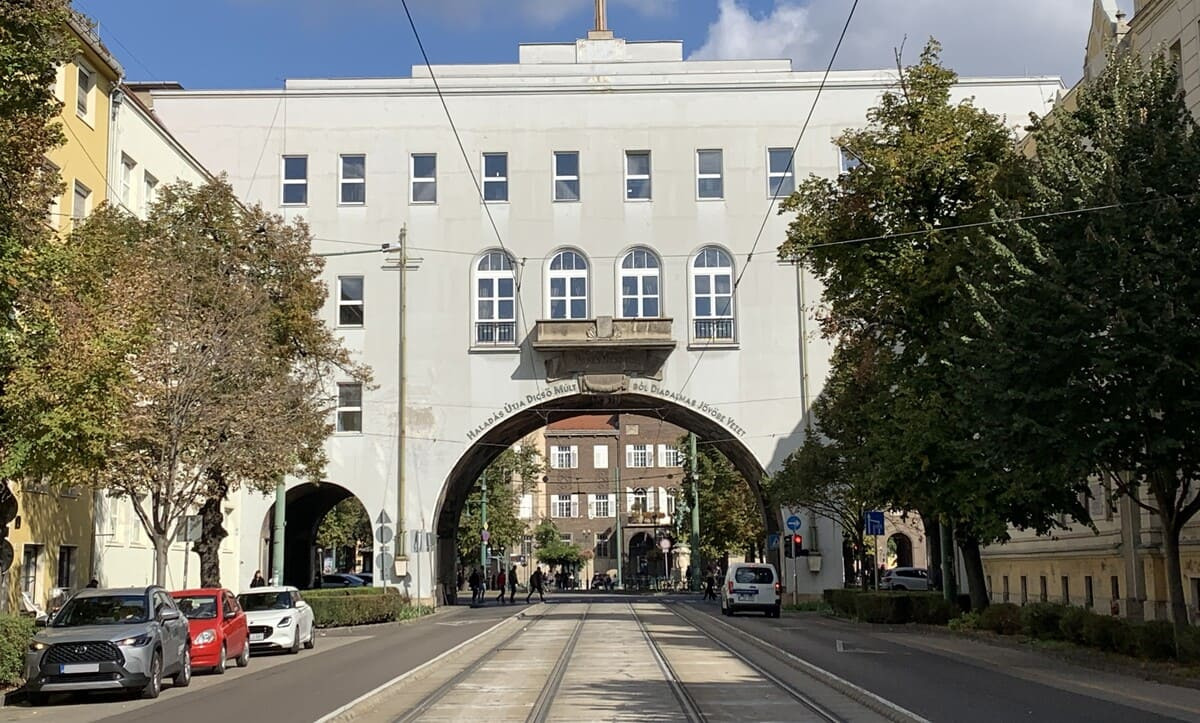
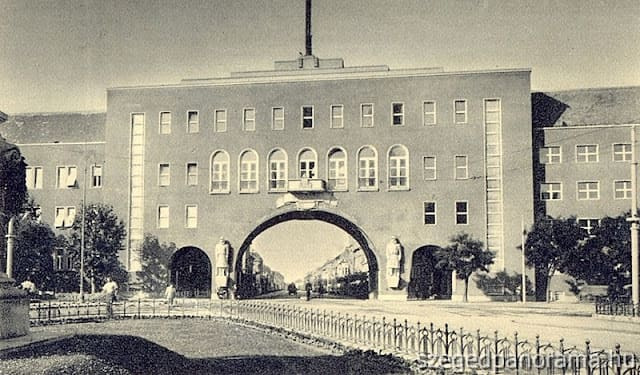
Heroes' Gate of Szeged opens to Aradi Vértanúk Square and, arching over the Boldogasszony Avenue, commemorates the victims of the First World War in Szeged. The idea for the monument originally came from Count Kunó Klebelsberg, Minister of Culture, who wanted to create not only a simple palace gate, but a symbolic city gate: a structure that would become a symbol for the city and pay tribute to the heroes in a worthy manner. The gate structure, with its three arches and supporting four pillars, was completed in 1937.
Above the central arch of the monumental yet puritanical-looking gate, the inscription ’Porta Heroum’ and the year "1914–1918" enclosed in a wreath refer to the victims. From the avenue, the inscription proclaims: "The Path of Progress Leads from a Glorious Past to a Triumphant Future." Flag holders on the consoles placed on the pillars, and two stone statues of Éva Lőte (Title: The Dead And The Living Soldier) enhance the artistic value of the monument. The decorative elements are made of Süttő limestone.
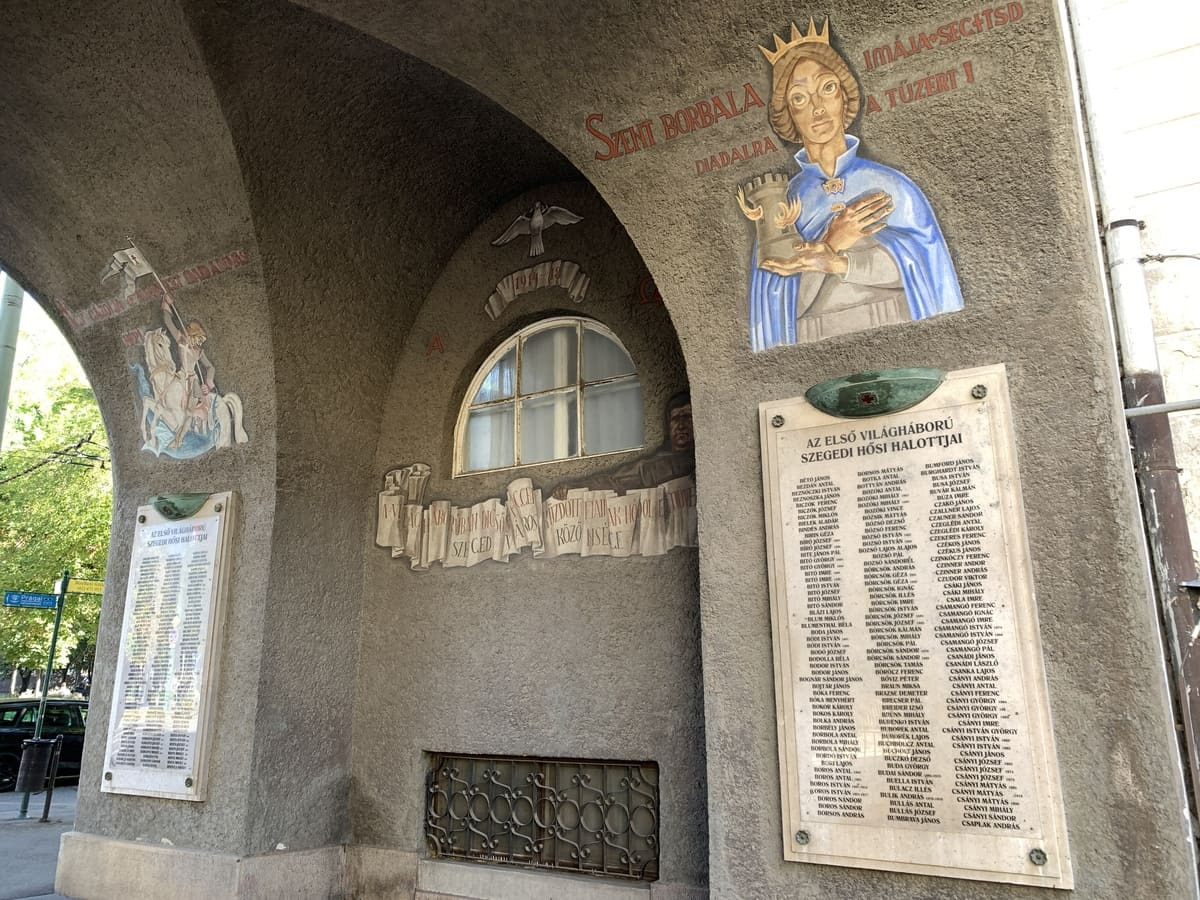
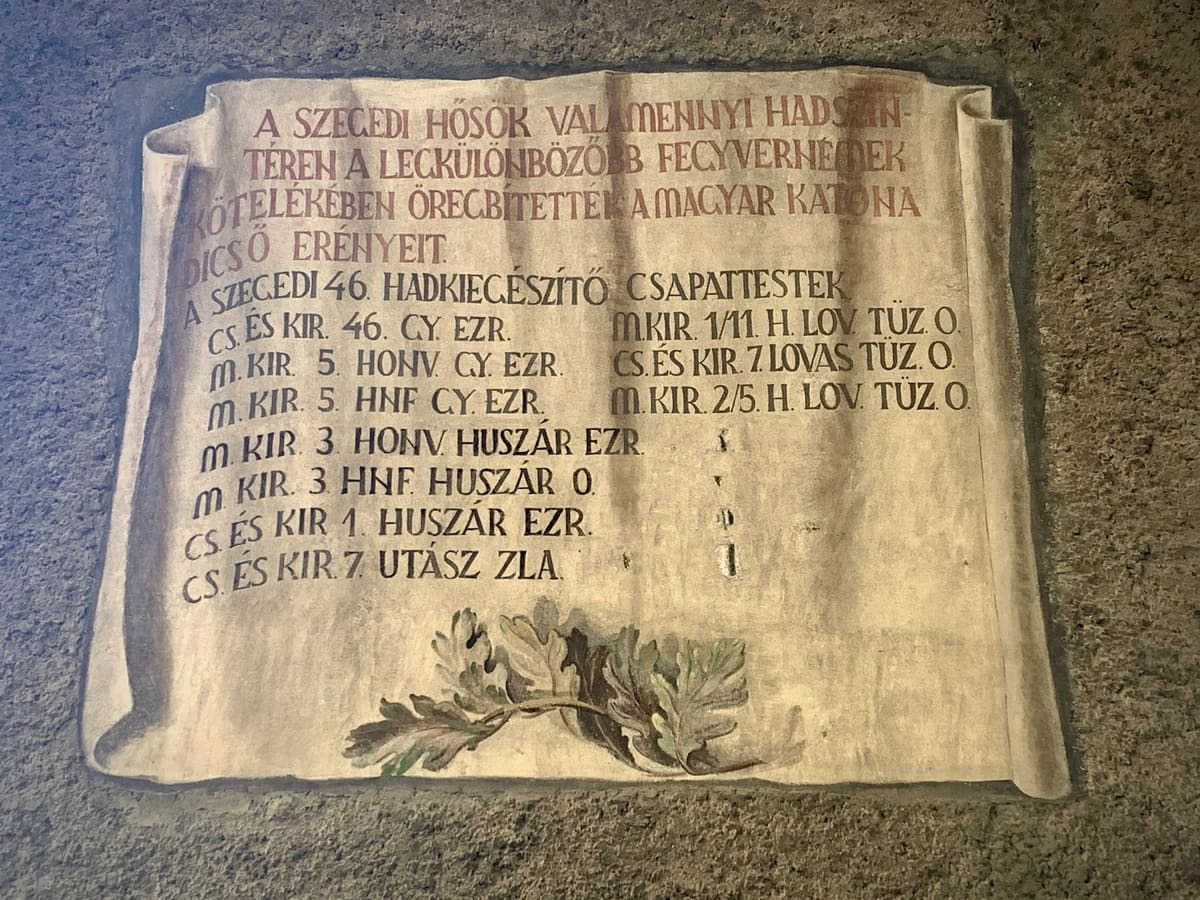
On the inner surface of the arches, there are about 300 square meters of frescoes, created by Vilmos Aba-Novák, one of the most significant painters of the era. The compositions, divided into three main and several secondary themes, depict the events, battlefields and symbols of the war, and evoke the stance of the people of Szeged. The murals reflect the horrors of the war, the pain of the losses and the state of mind of the country after Trianon. After World War II, the frescoes were plastered over, their excavation began at the end of the 20th century, and then became visible again through their restoration.
According to the original plans of the monument, the names of the heroic dead of Szeged would have been engraved on limestone tablets placed on the pillars, but this was not possible due to financial reasons, and the carefully compiled lists of names also disappeared. So, the gate anonymously preserved the memory of the fallen for decades. This deficiency was filled in the early 2000s: in May 2004, memorial tablets containing the names of several thousand heroic dead of Szeged were placed on the pillars, which were inaugurated in a ceremonial setting on 6th June 2004.
Heroes' Gate of Szeged is not only a significant work of architecture and fine arts, but also one of the most important sites of the city's historical memory, which pays tribute to the victims of the past while remaining a living space for community remembrance.
Location
Address: Boldogasszony sgrt.
Latitude: 46.24729570
Longitude: 20.14671721
Location on map
Audio Guide
Then & Now